 Sabai
Sabai 
 The unwritten half
Thai culture notes
Knowing the words is half of it. These 34 notes cover the other half: when a phrase is warm and when it is cold, what a smile is doing, and the things nobody writes down because everybody already knows them.
Planning your first trip to Thailand?
For a broader travel overview, read Morocco Walker's Thailand travel survival guide. It brings together local etiquette, transport and packing advice. Pair it with the culture notes below to prepare for everyday situations and the Thai phrases that go with them.
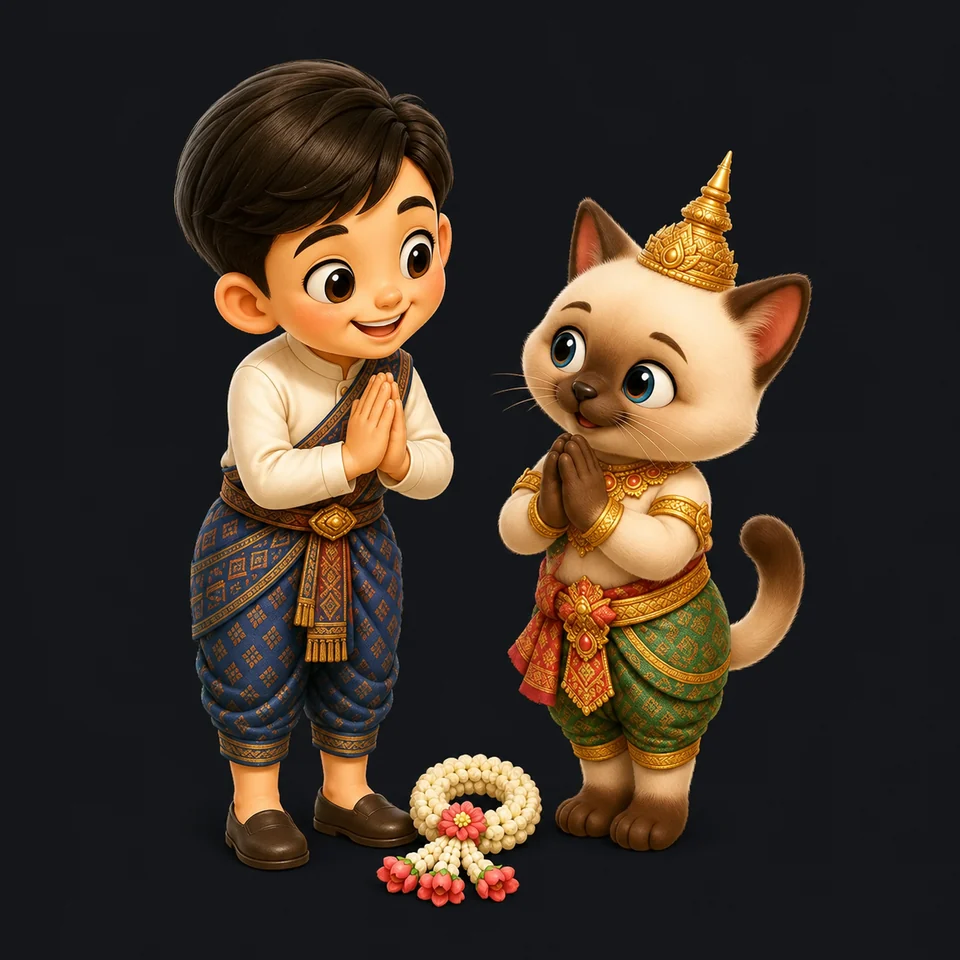 Chapter 01
Greetings & Politeness
Always close a sentence with ครับ (men) or ค่ะ (women). It softens everything and is the single fastest way to sound polite and natural.
/thai-culture/chapter-1/
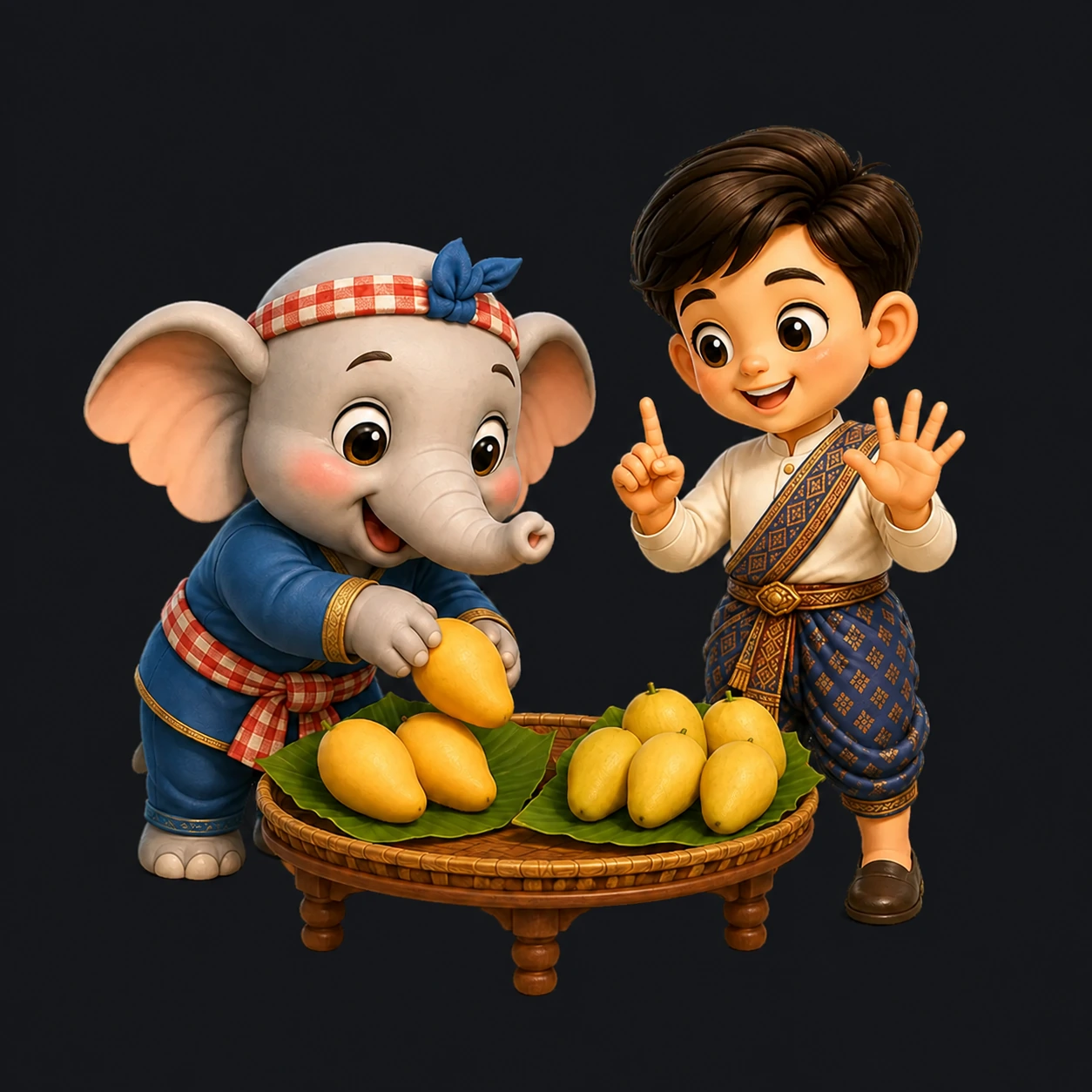 Chapter 02
Numbers 1–100
Thai counts in tens cleanly: 21 is literally 'twenty-one' (ยี่สิบเอ็ด). Note 'one' becomes เอ็ด at the end of a number, and 20 is ยี่สิบ,...
/thai-culture/chapter-2/
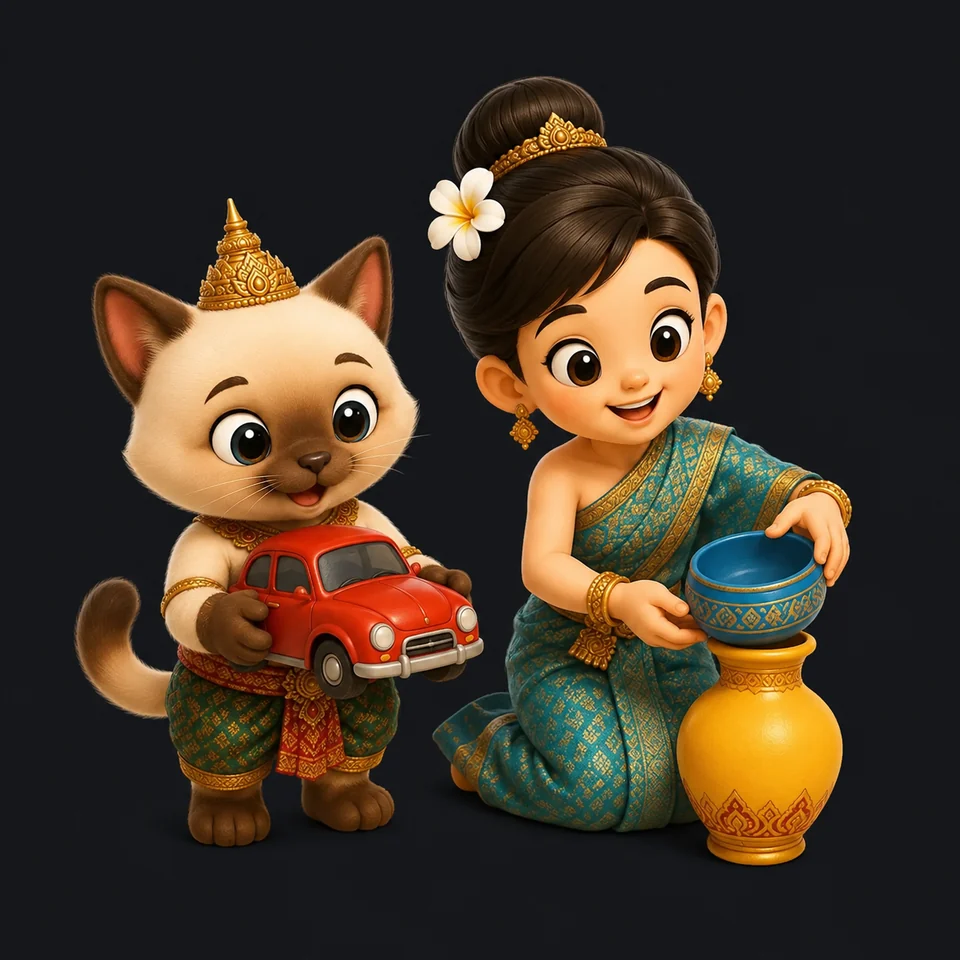 Chapter 03
Colours & Objects
Colours follow the noun: 'red car' is 'car red' (รถสีแดง). Learn สี (colour) - you'll pair it with almost every colour word.
/thai-culture/chapter-3/
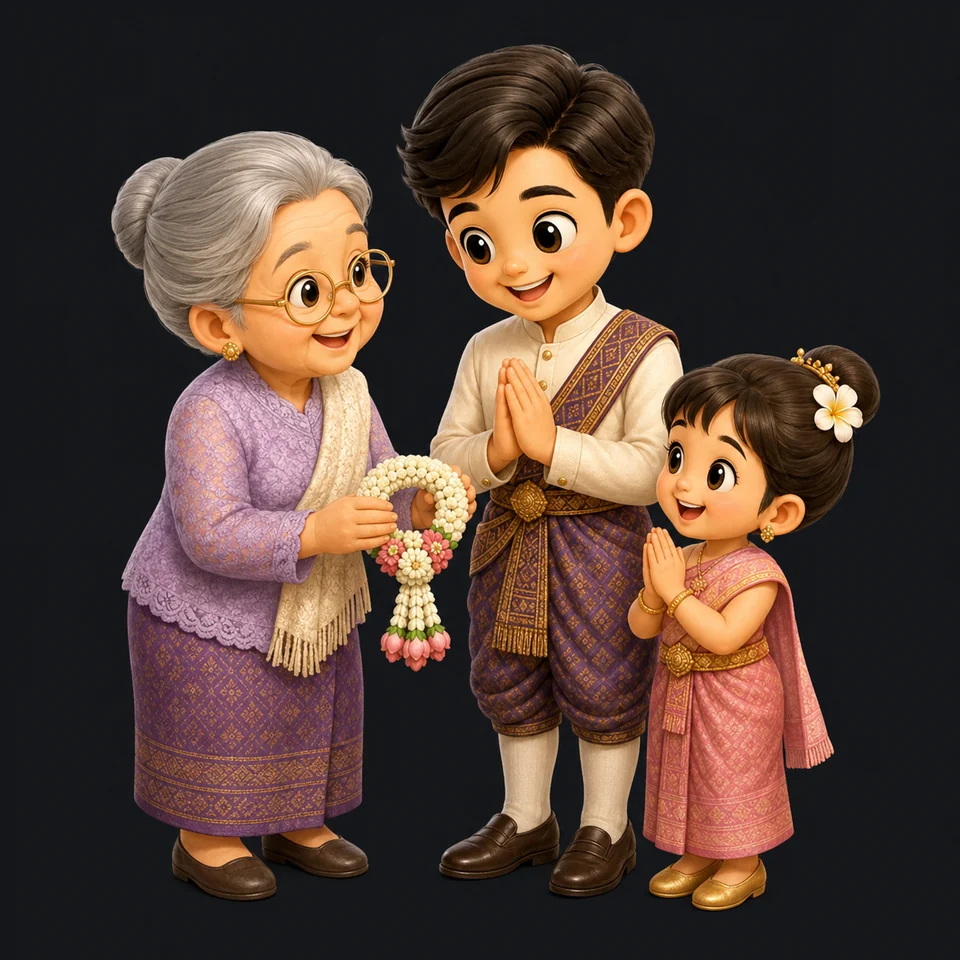 Chapter 04
Family & People
Kinship words double as pronouns: call someone older พี่ (pii) and someone younger น้อง (nong). It's warmer and more natural than 'you'.
/thai-culture/chapter-4/
 Chapter 05
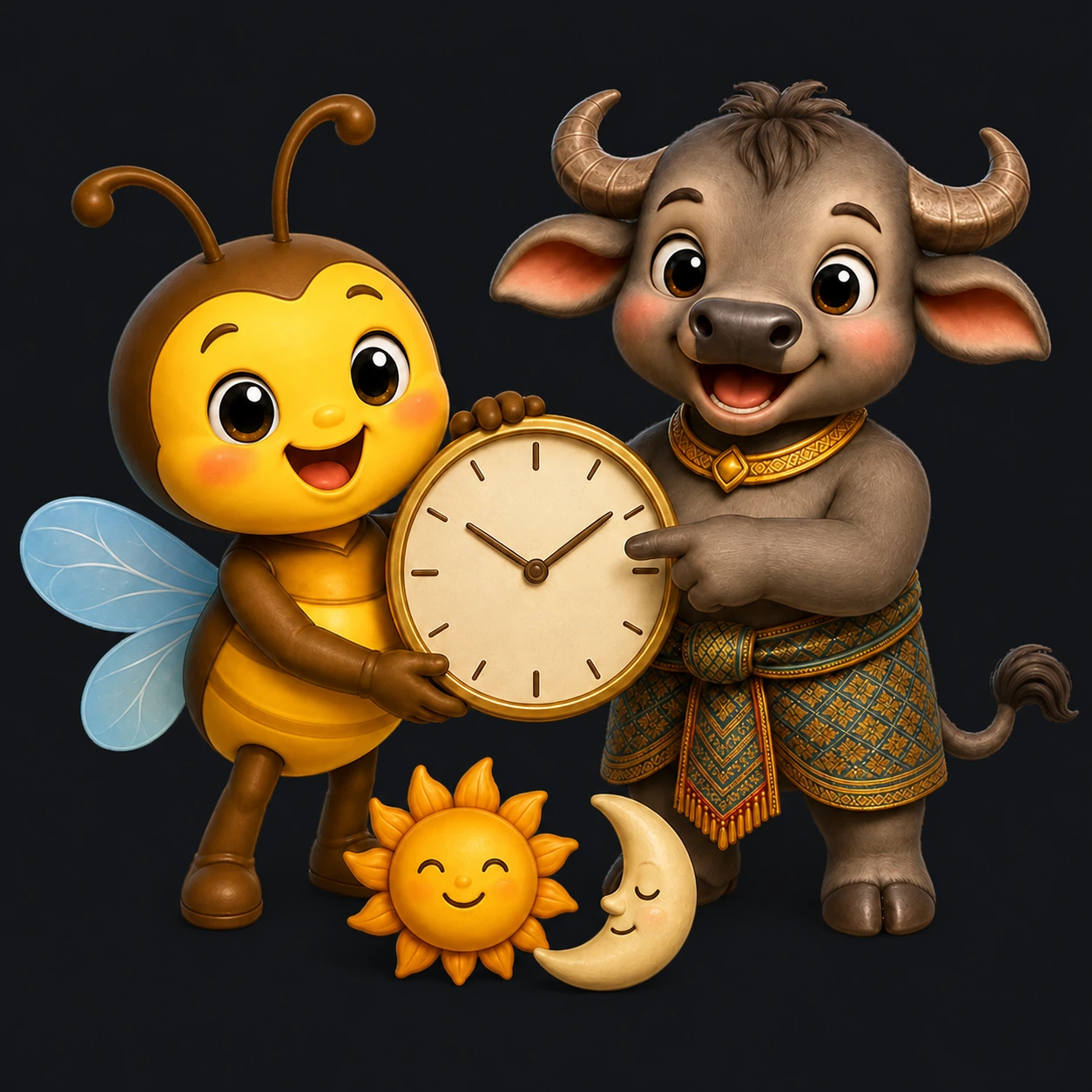
Days & Time
Days end in the word วัน (day): Monday is วันจันทร์. Telling time uses a different word for each part of the day - don't expect one clean...
/thai-culture/chapter-5/
 Chapter 06
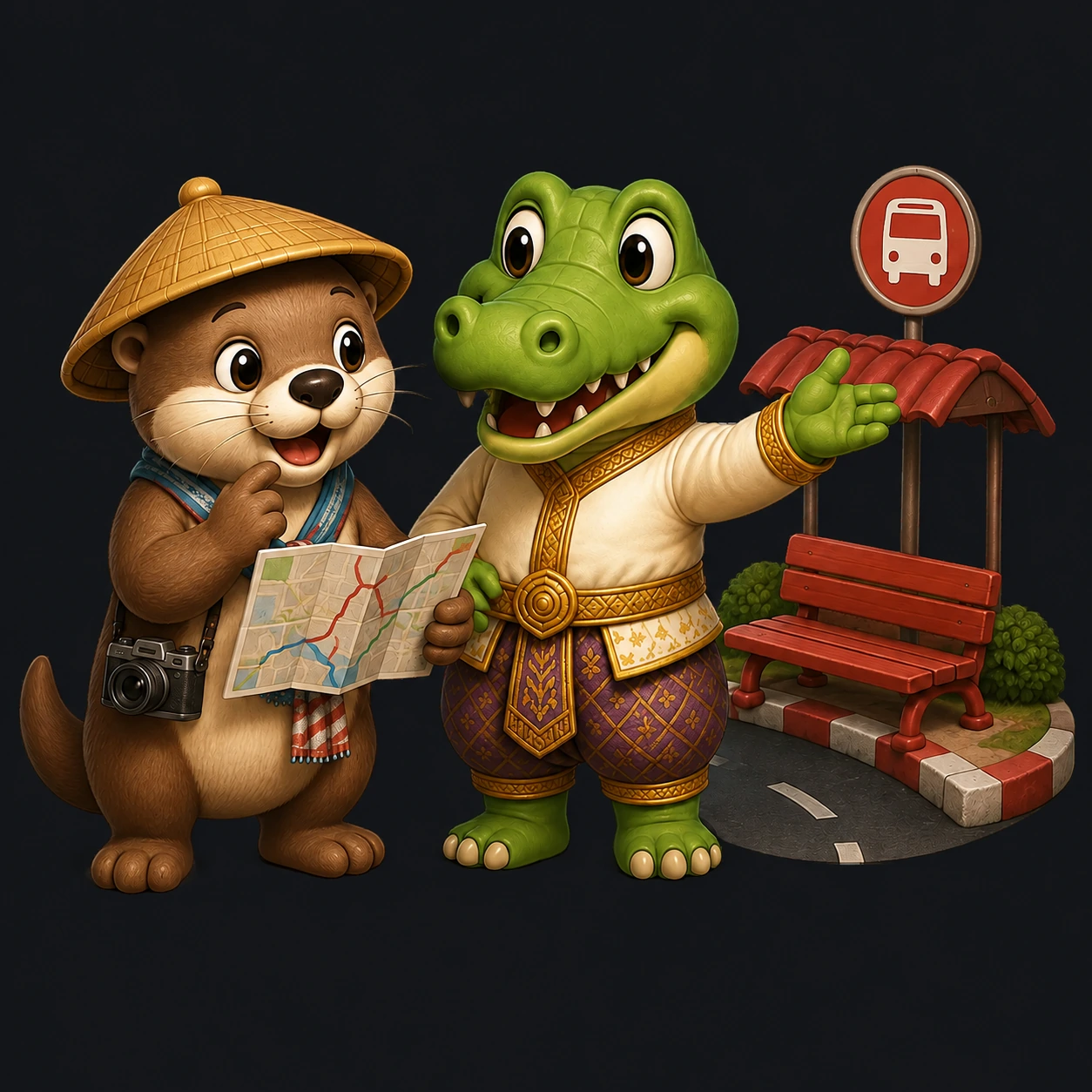
Getting Around
ไป (pai, go) and มา (maa, come) anchor directions. 'Go straight' is ตรงไป. Point with your open hand, never one finger.
/thai-culture/chapter-6/
 Chapter 07
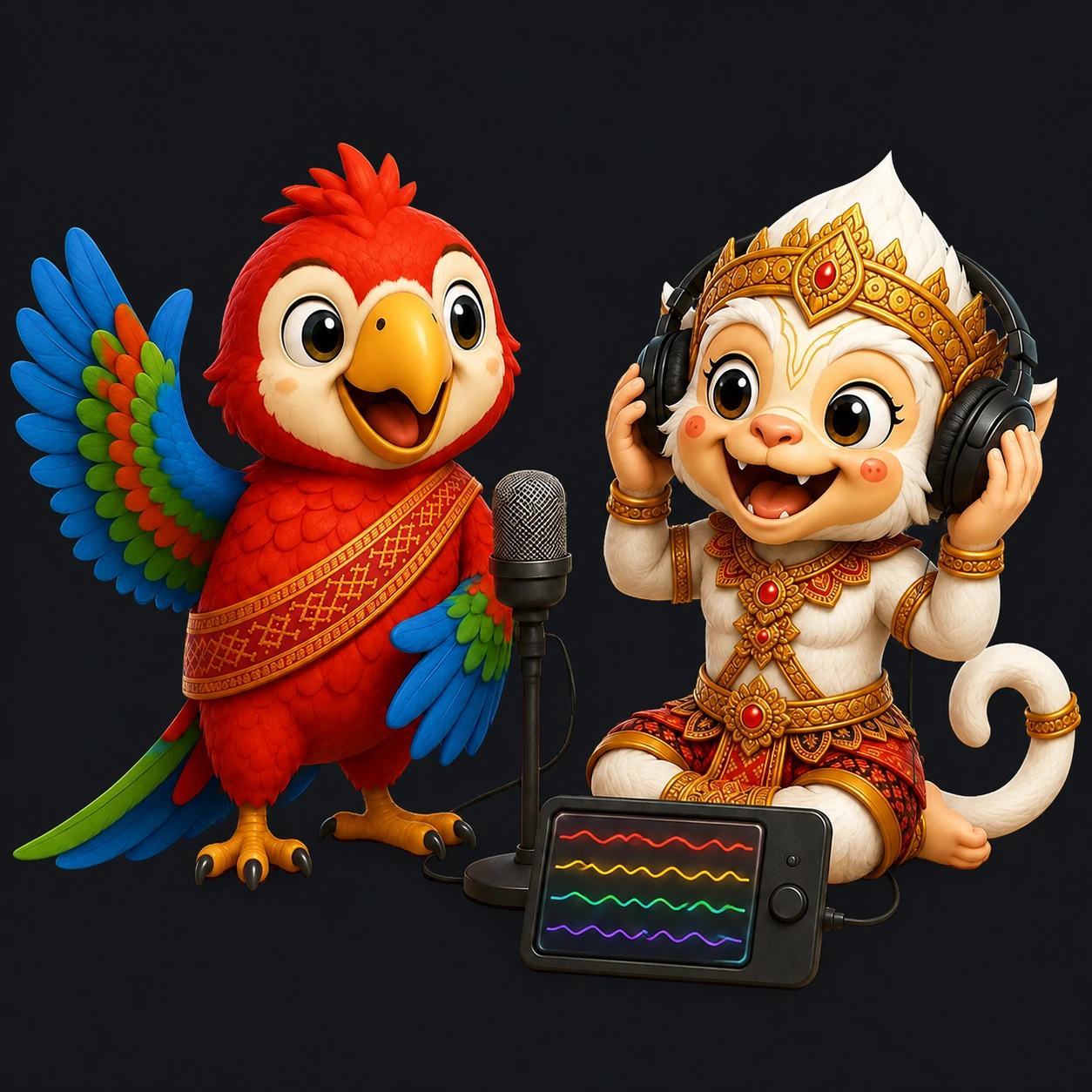
Pronunciation Practice
Thai has 5 tones and they change meaning completely. Record yourself, compare to the audio, and exaggerate at first - subtlety comes later.
/thai-culture/chapter-7/
 Chapter 08
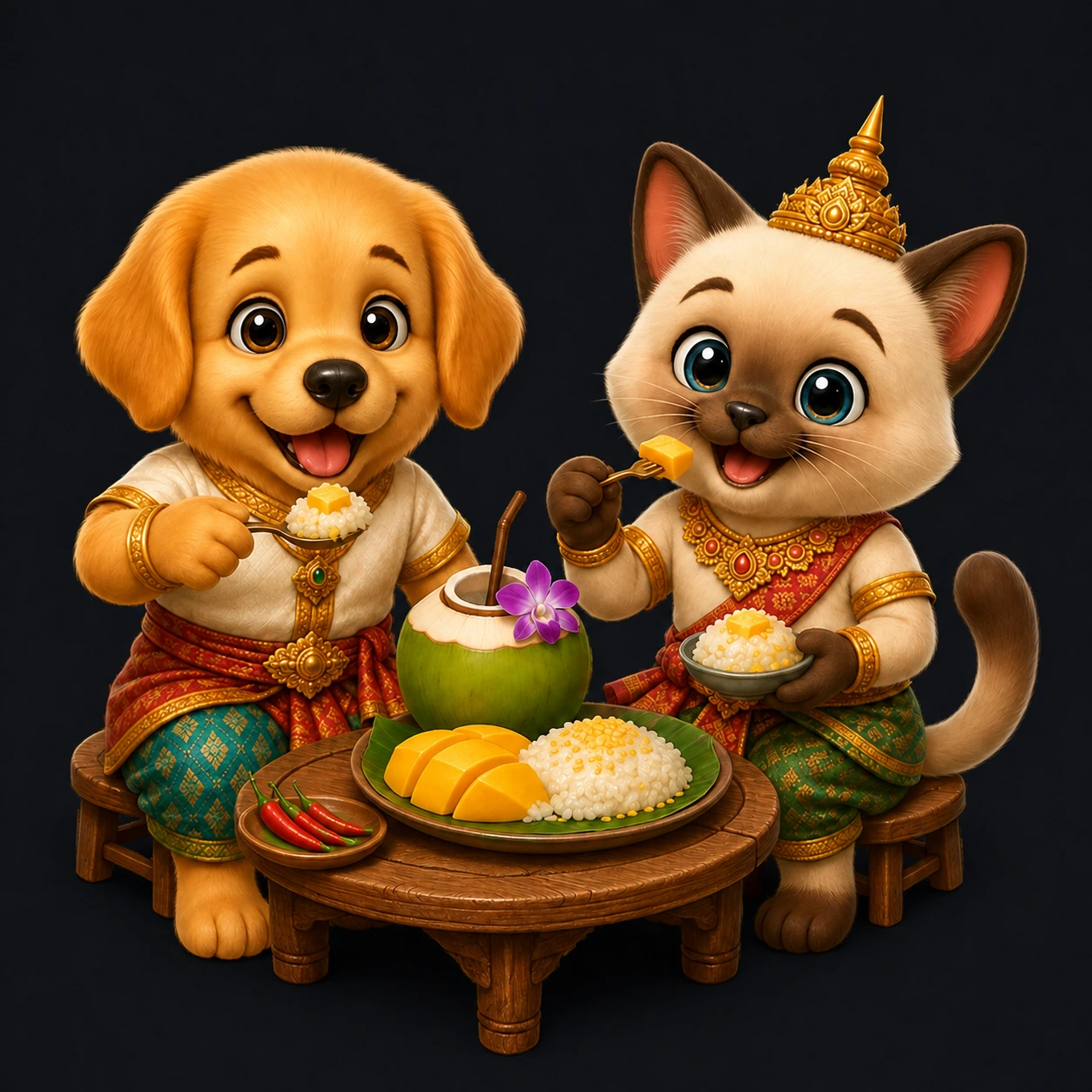
Food & Drink
'Delicious' (อร่อย, aroy) is your most useful food word. 'Not spicy' is ไม่เผ็ด (mai phet) - say it early unless you love chilli.
/thai-culture/chapter-8/
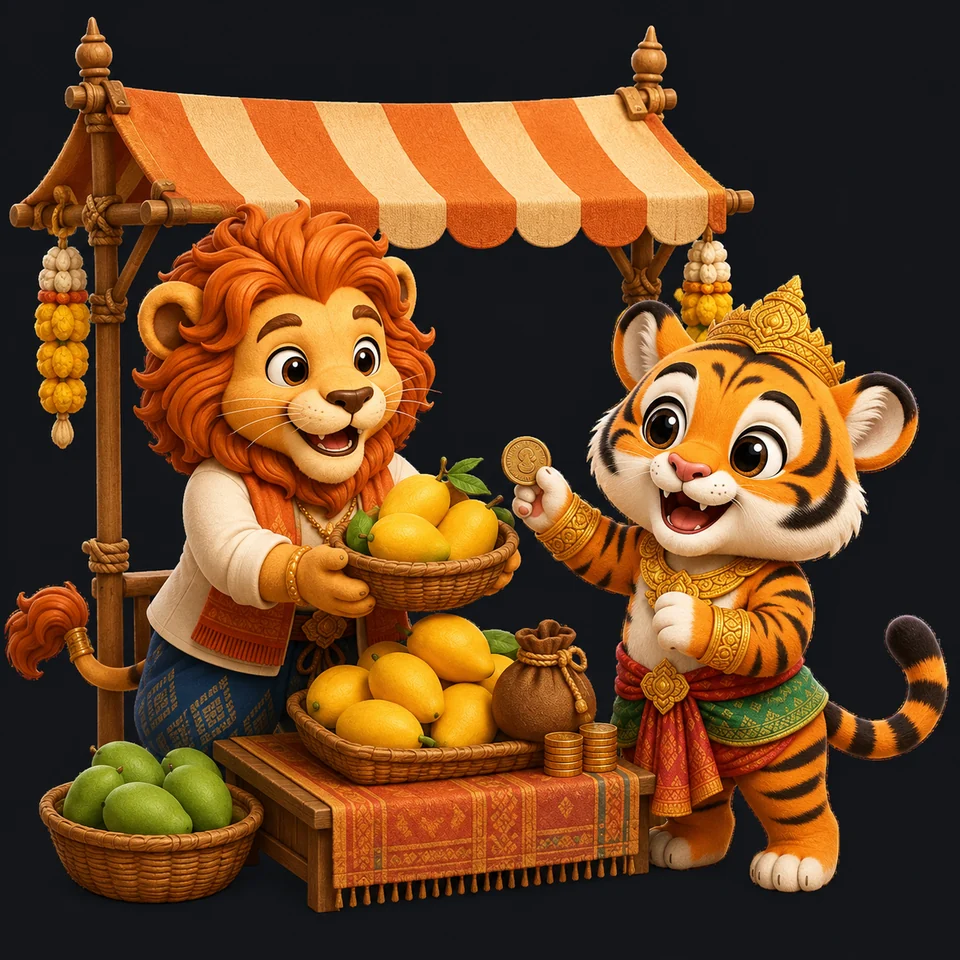 Chapter 09
At the Market
Bargaining is normal at markets, not shops. Ask ลดได้ไหม (can you lower it?) with a smile. Learn your numbers first - you'll need them fo...
/thai-culture/chapter-9/
 Chapter 10
Daily Life
Daily-routine verbs (eat, sleep, work, go) recur constantly. Thai has no verb conjugation - the verb never changes for time or person.
/thai-culture/chapter-10/
 Chapter 11
Emotions & Feelings
Feelings often use ใจ (jai, heart): ดีใจ (glad), เสียใจ (sad), เกรงใจ (considerate). Collect the ใจ words - they reveal a lot about Thai ...
/thai-culture/chapter-11/
 Chapter 12
Airport & Hotel Check-in
At hotels and airports, ที่ไหน (tii nai, where?) and เท่าไหร่ (thao rai, how much?) do most of the work. Keep your passport phrases handy.
/thai-culture/chapter-12/
 Chapter 13
Sports & Hobbies
Talk about what you like to do with ชอบ (chorp, like) + verb: ชอบเล่น (like to play). Hobbies are great small-talk - Thais love asking ab...
/thai-culture/chapter-13/
 Chapter 14
Getting a Taxi
Tell a taxi ไปส่ง (take me to) + place, and insist on the meter: เปิดมิเตอร์ (open the meter). Have your destination written in Thai if y...
/thai-culture/chapter-14/
 Chapter 15
Social Expressions
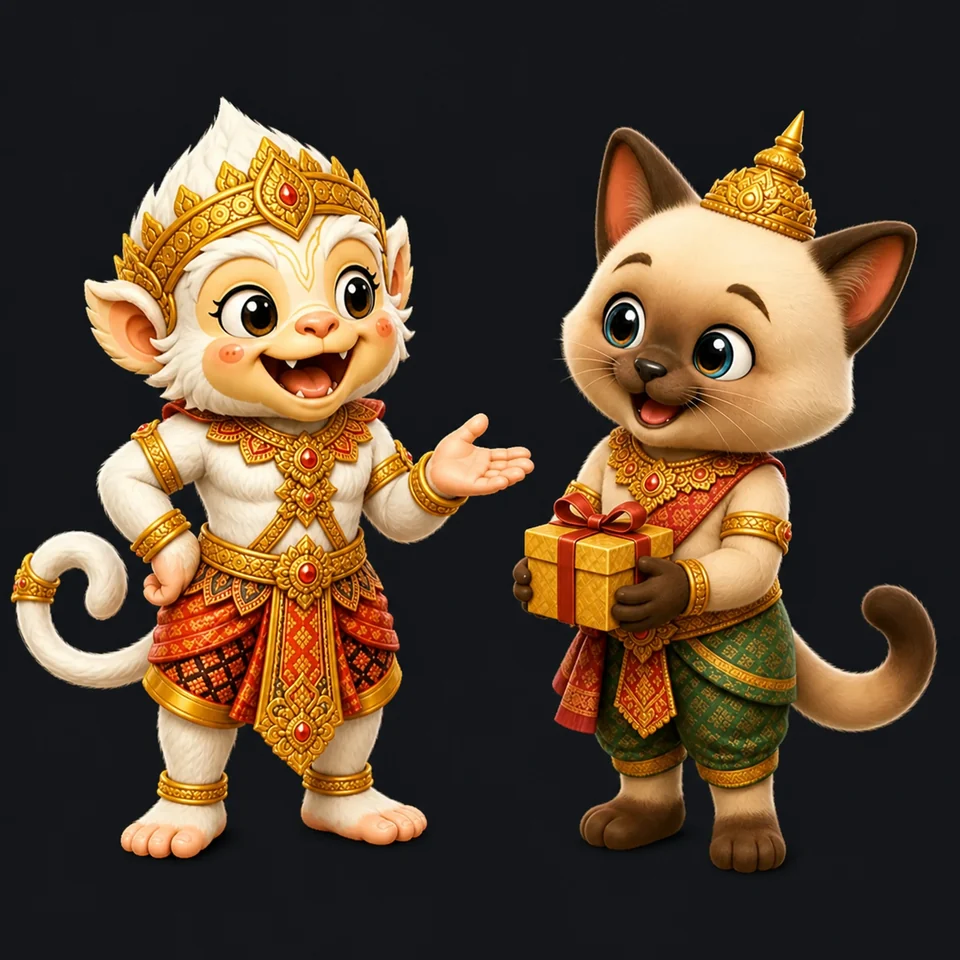
Set phrases smooth conversation: ไม่เป็นไร (no worries), เกรงใจ (I don't want to impose), โอเค. These carry social weight beyond their li...
/thai-culture/chapter-15/
 Chapter 16
Dining Out
Ordering: 'I want' is เอา (ao) for things, ขอ (khor) to politely request. เช็คบิล (check bin) asks for the bill - borrowed straight from ...
/thai-culture/chapter-16/
 Chapter 17
Counting & Quantities
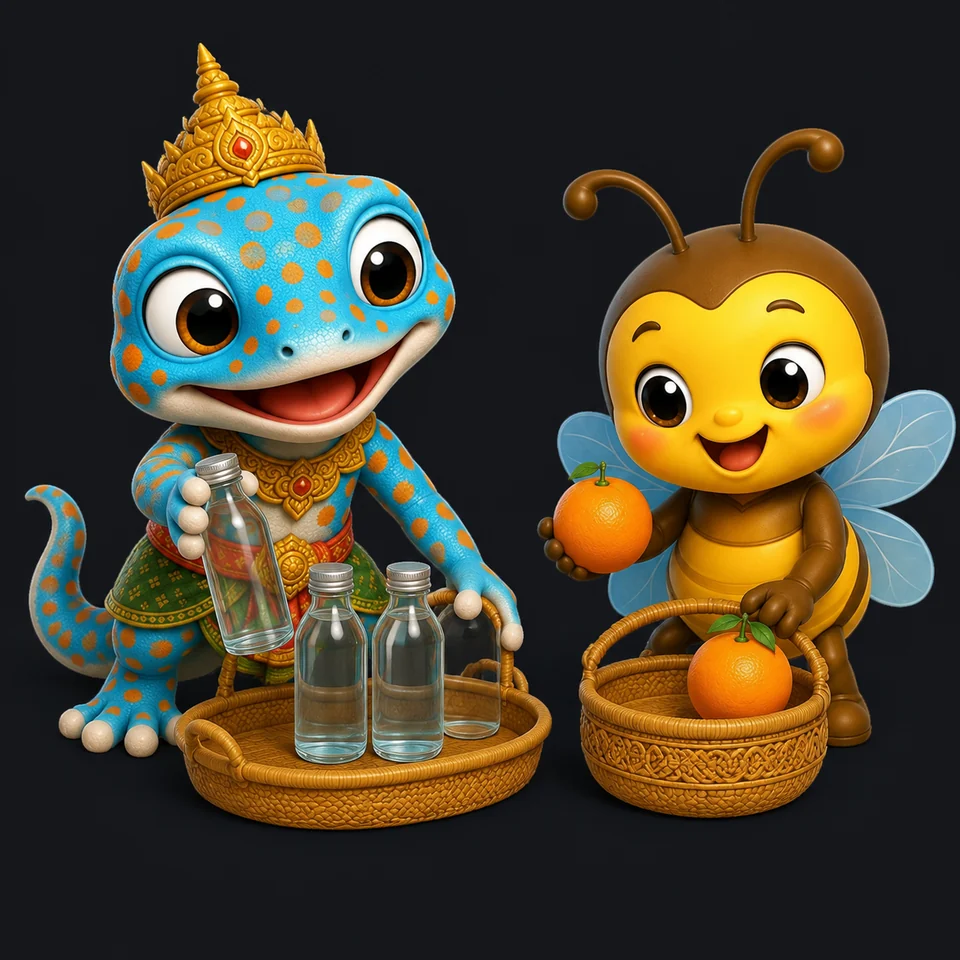
Thai uses classifiers when counting: 'two bottles of water' needs the classifier ขวด. Get the common ones (คน people, อัน things, ตัว ani...
/thai-culture/chapter-17/
 Chapter 18
Wants & Needs
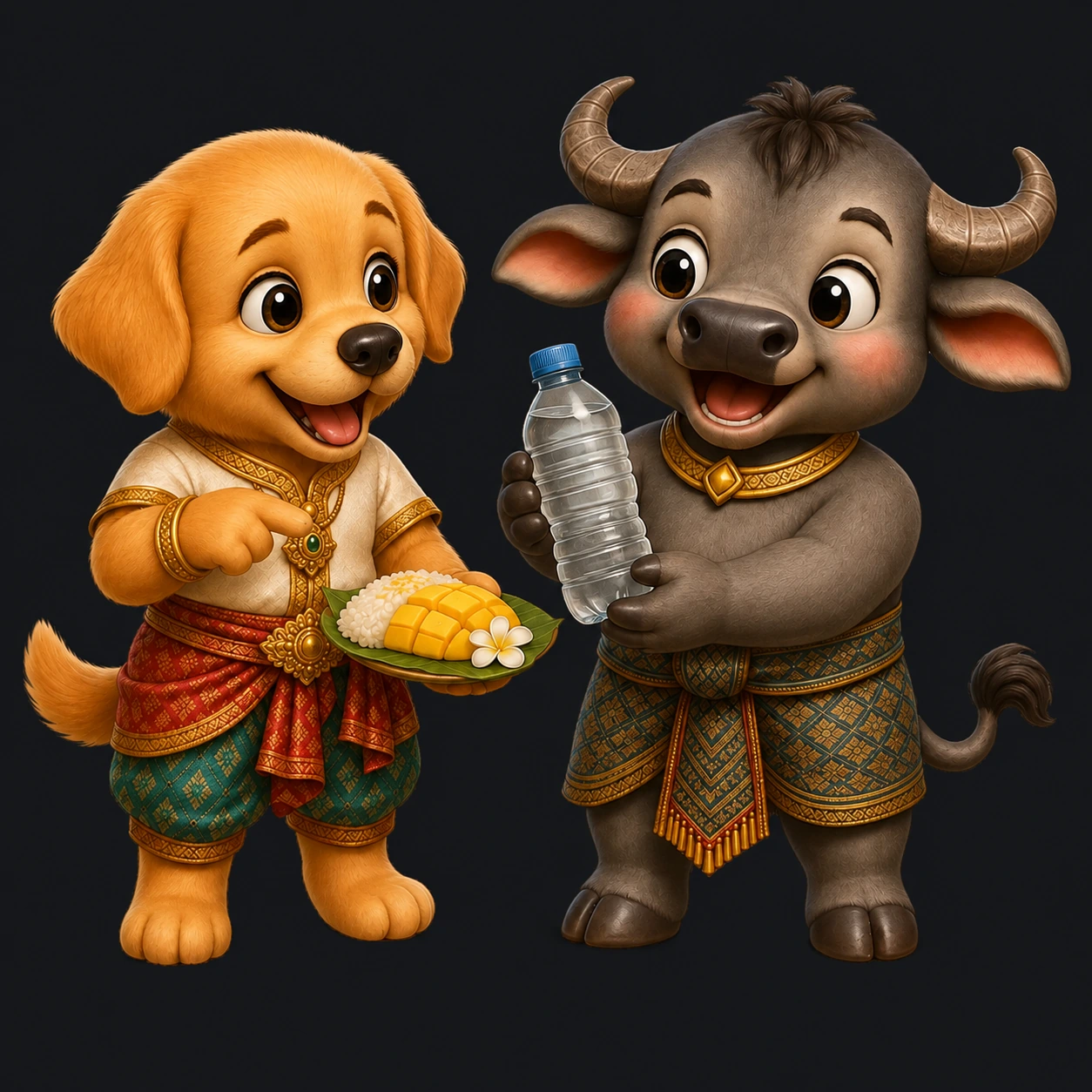
อยาก (yaak) = want to (do), ต้องการ / ต้อง (tong) = need. อยากไป means 'want to go'. Pair อยาก with any verb to express desire.
/thai-culture/chapter-18/
 Chapter 19
Language Help
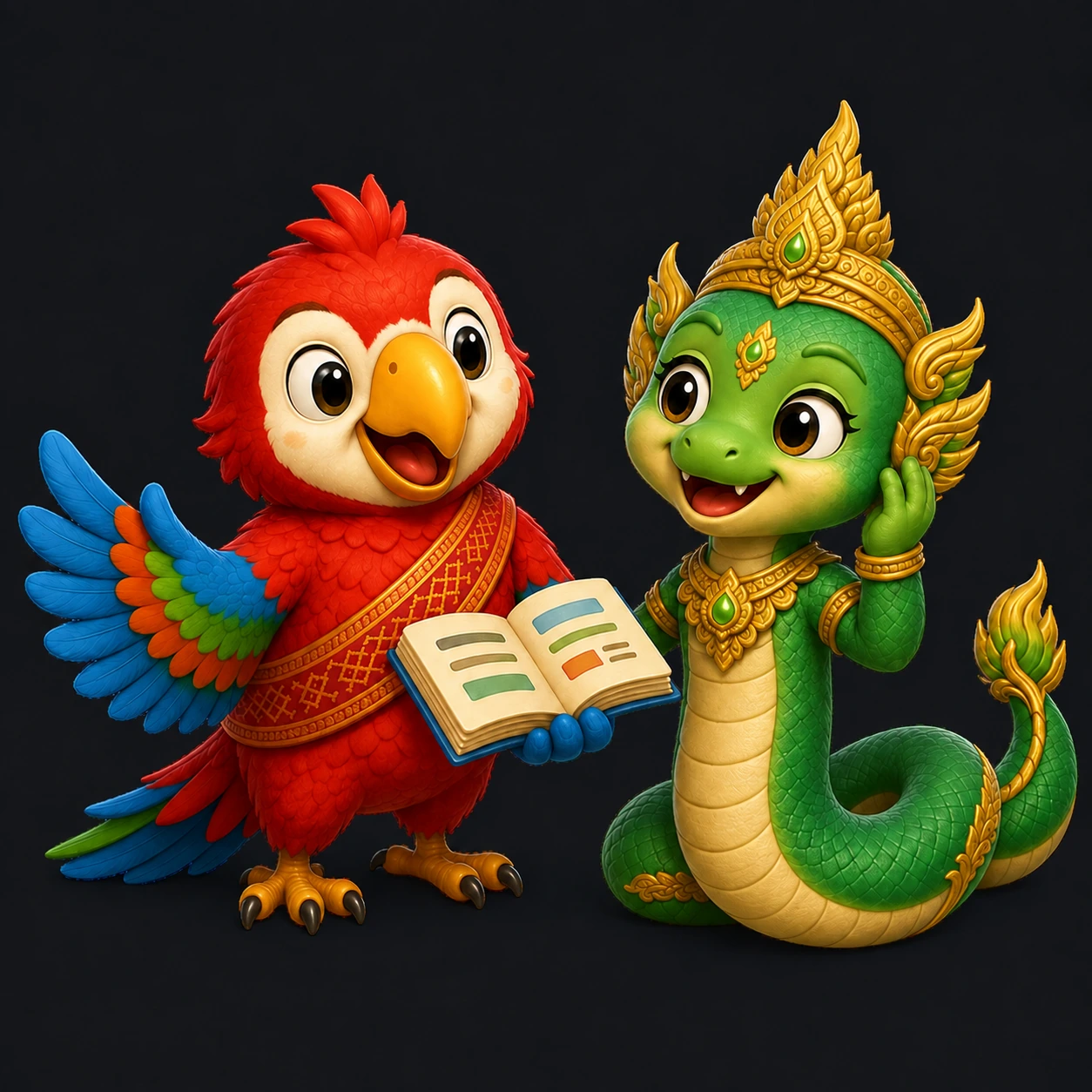
When lost, พูดช้าๆ ได้ไหม (please speak slowly) and ไม่เข้าใจ (I don't understand) are lifesavers. Thais appreciate the effort enormously.
/thai-culture/chapter-19/
 Chapter 20
Shopping 2: Closing the Deal
Closing a deal: แพงไป (too expensive), ลดหน่อย (a little less), เอา (I'll take it). Stay friendly - losing your cool loses face and the d...
/thai-culture/chapter-20/
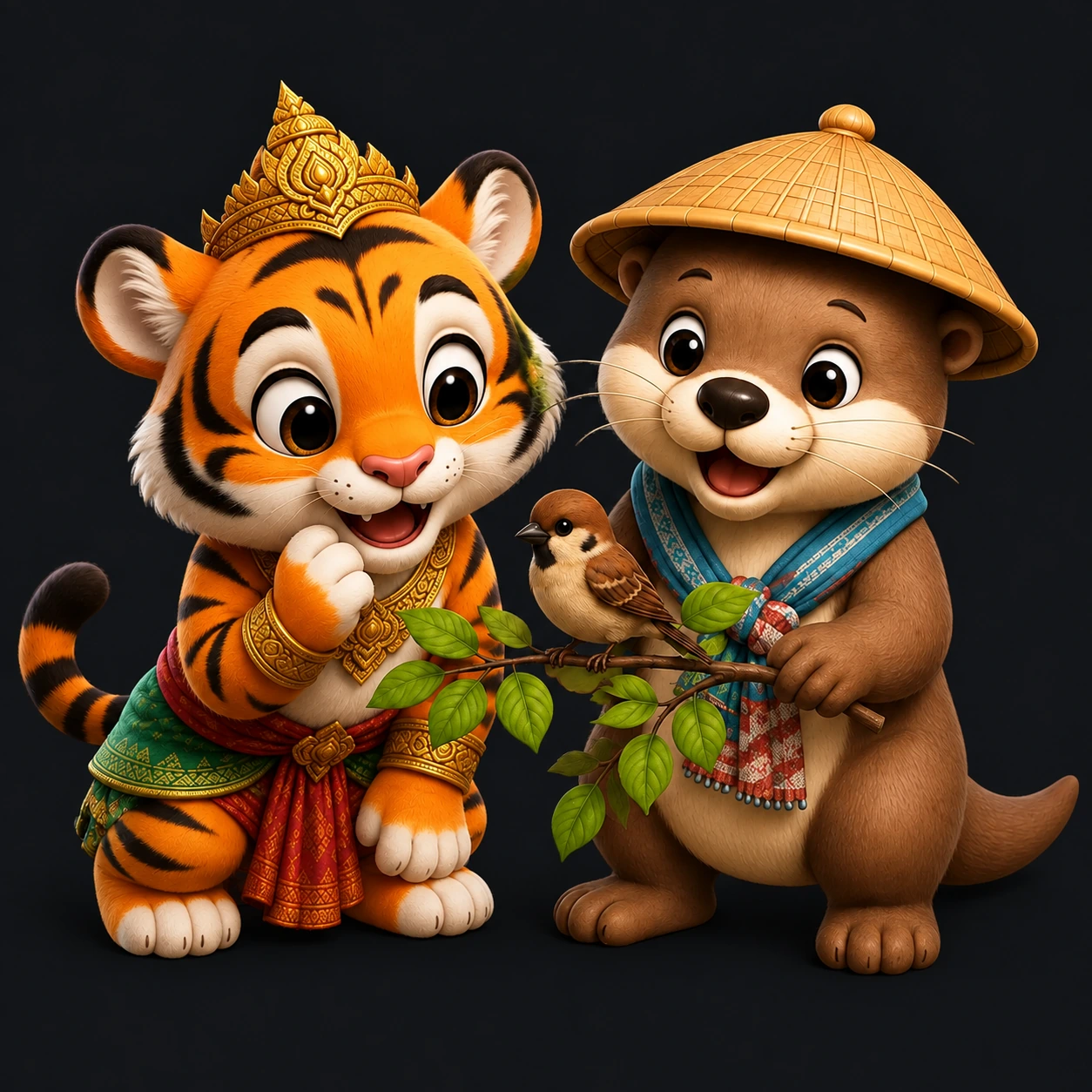 Chapter 21
Animals
Animals take the classifier ตัว. Many animal words are fun and short. This is a lighter chapter - good place to rebuild momentum.
/thai-culture/chapter-21/
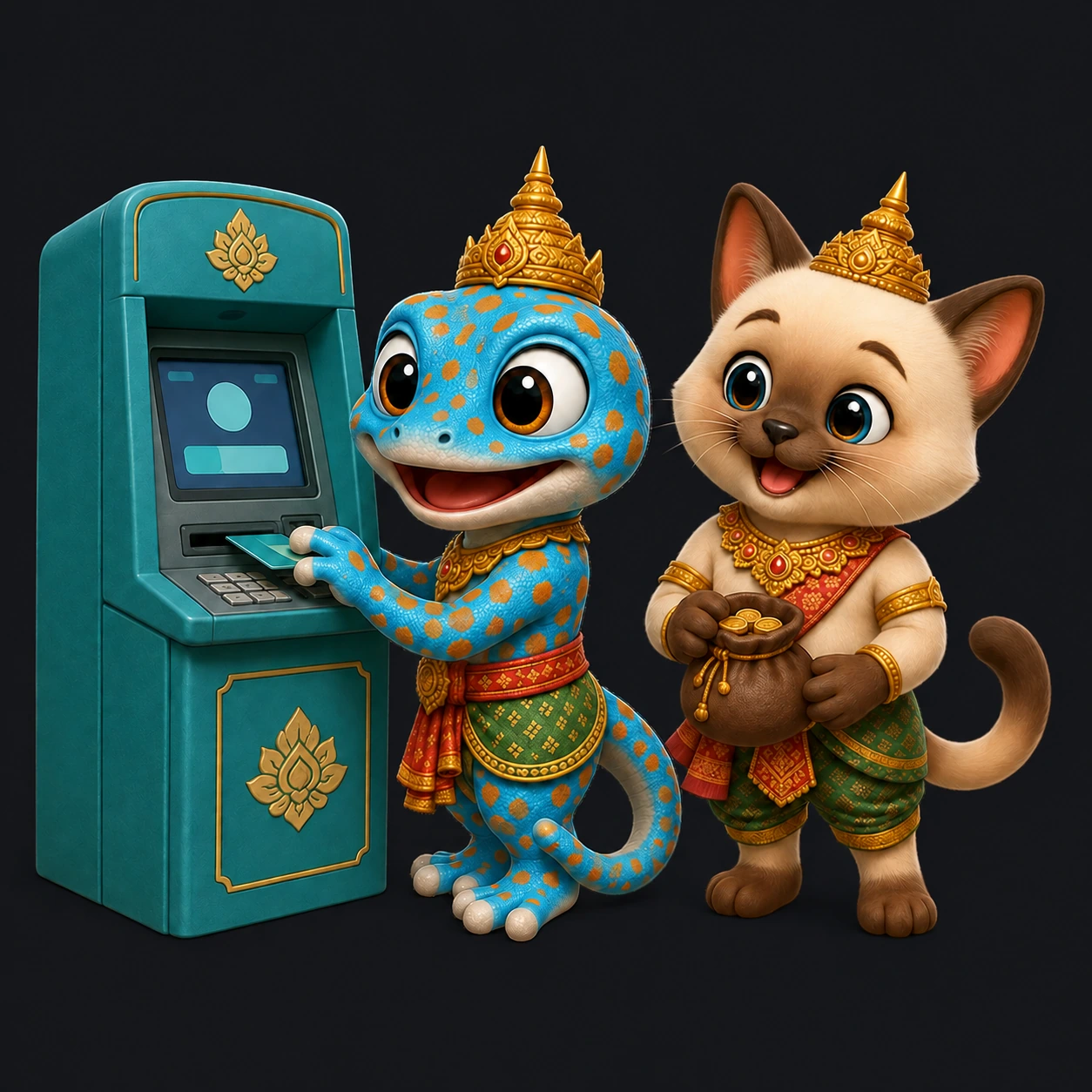 Chapter 22
Banking & ATM
At the bank/ATM, ถอนเงิน (withdraw) and บัญชี (account) matter. ATMs offer English, but เงิน (ngern, money) is worth knowing cold.
/thai-culture/chapter-22/
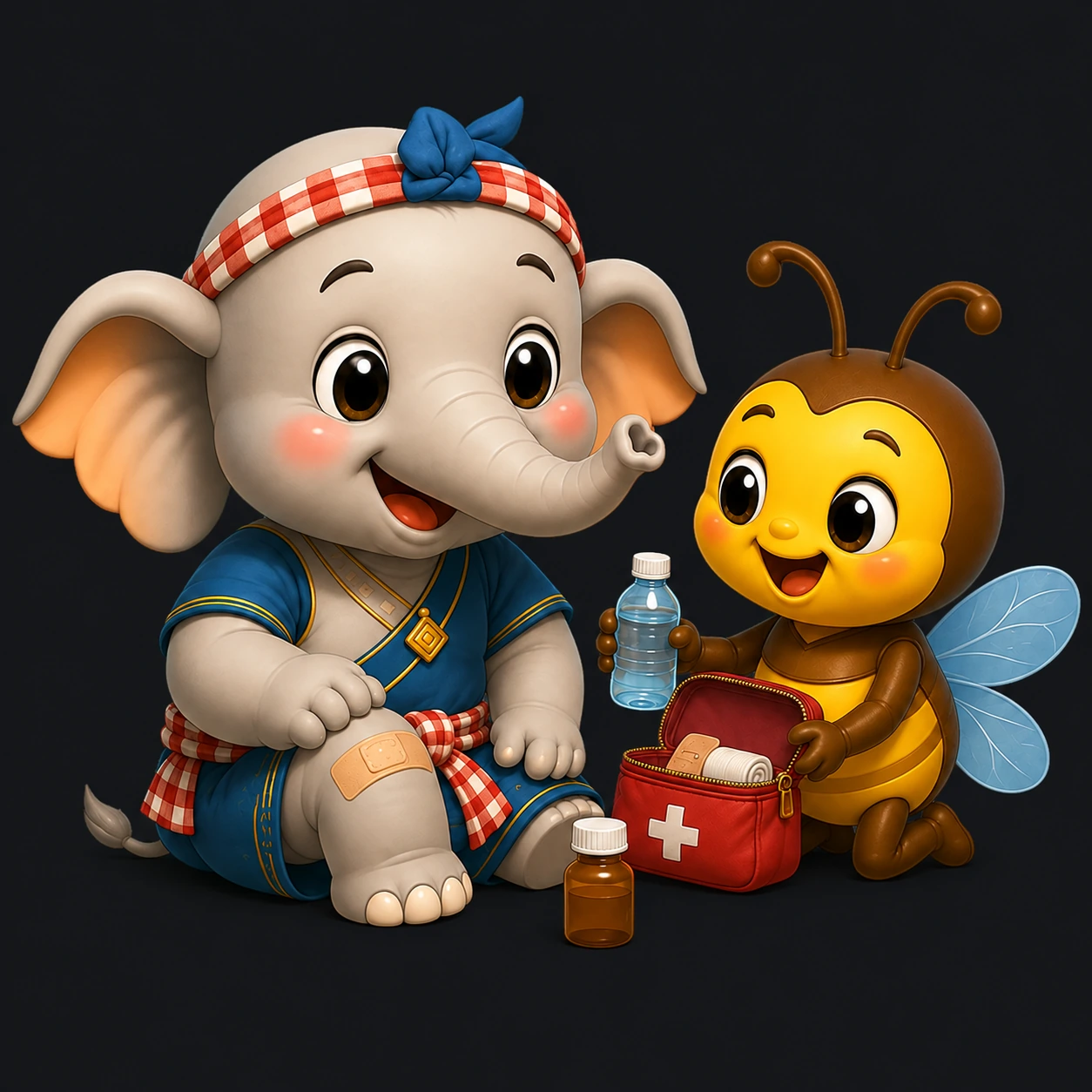 Chapter 23
Health & Body / Pharmacy
Health: เจ็บ (jep, hurt/pain) + body part tells the pharmacist what's wrong. ร้านขายยา (pharmacy) staff often speak some English and are ...
/thai-culture/chapter-23/
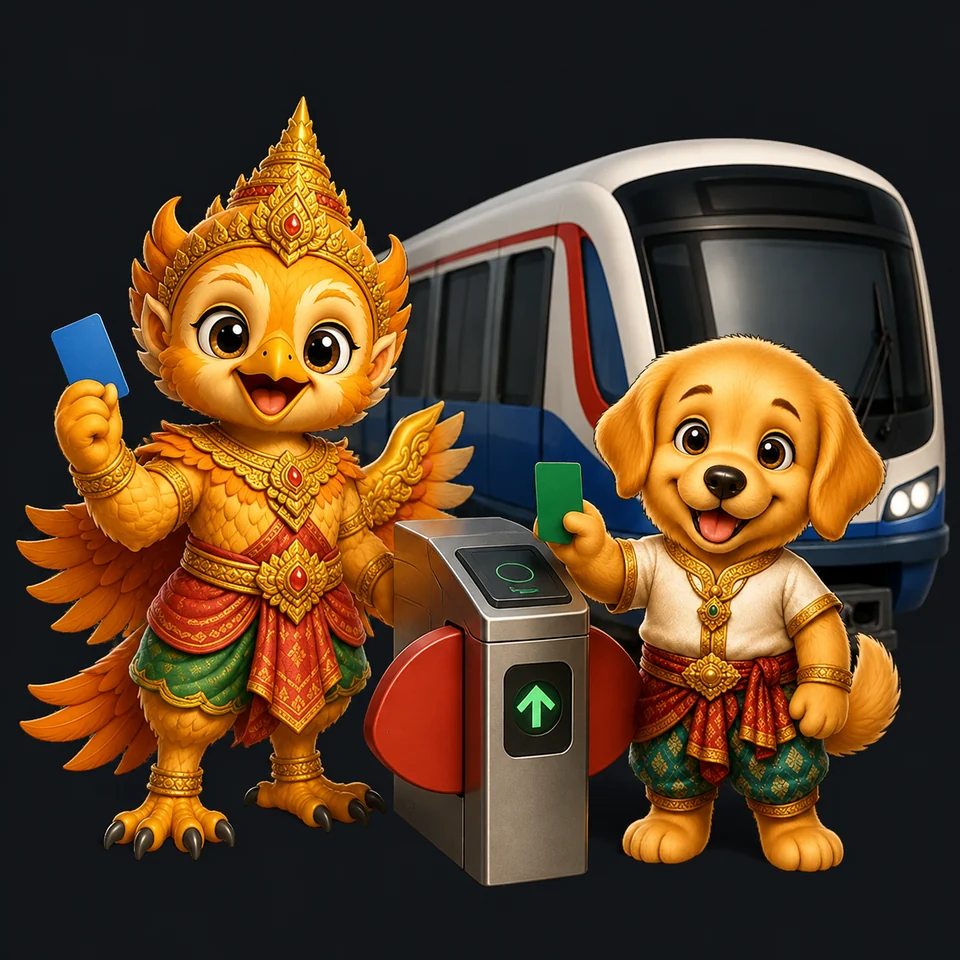 Chapter 24
Public Transport (BTS/MRT)
On the BTS/MRT, สถานี (sathaanii, station) and ตั๋ว (tua, ticket) are key. Signs are bilingual, but announcements are often Thai-first.
/thai-culture/chapter-24/
 Chapter 25
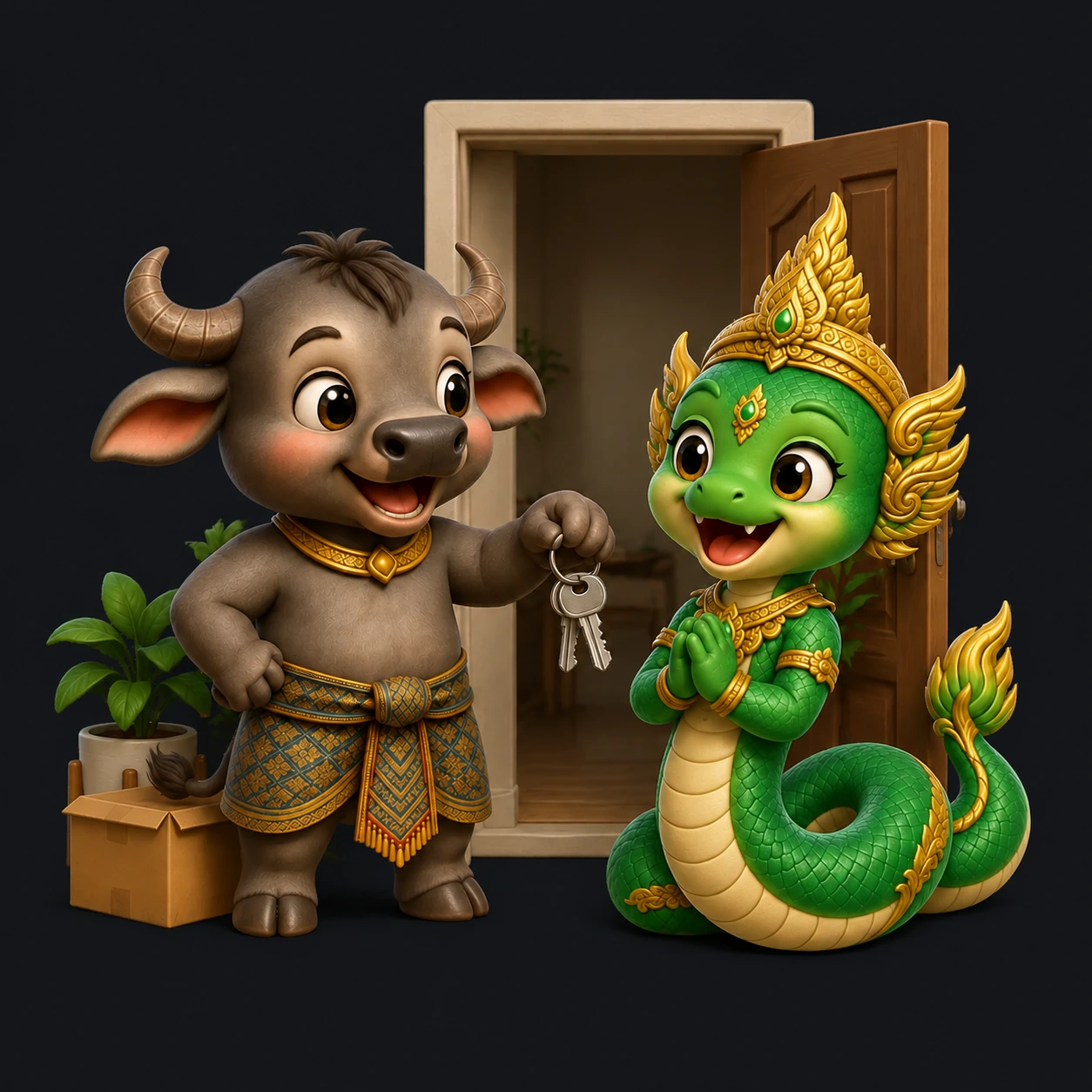
Housing & Apartments
Renting: ห้อง (room), เช่า (rent), ค่าน้ำค่าไฟ (water & electric bills). Ask ต่อเดือน (per month) so the price is unambiguous.
/thai-culture/chapter-25/
 Chapter 26
Comparing Things
Compare with กว่า (more...than) and ที่สุด (the most): ดีกว่า (better), ดีที่สุด (best). The structure mirrors English closely - a nice e...
/thai-culture/chapter-26/
 Chapter 27
Making Plans & Arrangements
Making plans leans on ว่าง (free/available) and เมื่อไหร่ (when). นัด (nat) means to make an appointment - a very common social verb.
/thai-culture/chapter-27/
 Chapter 28
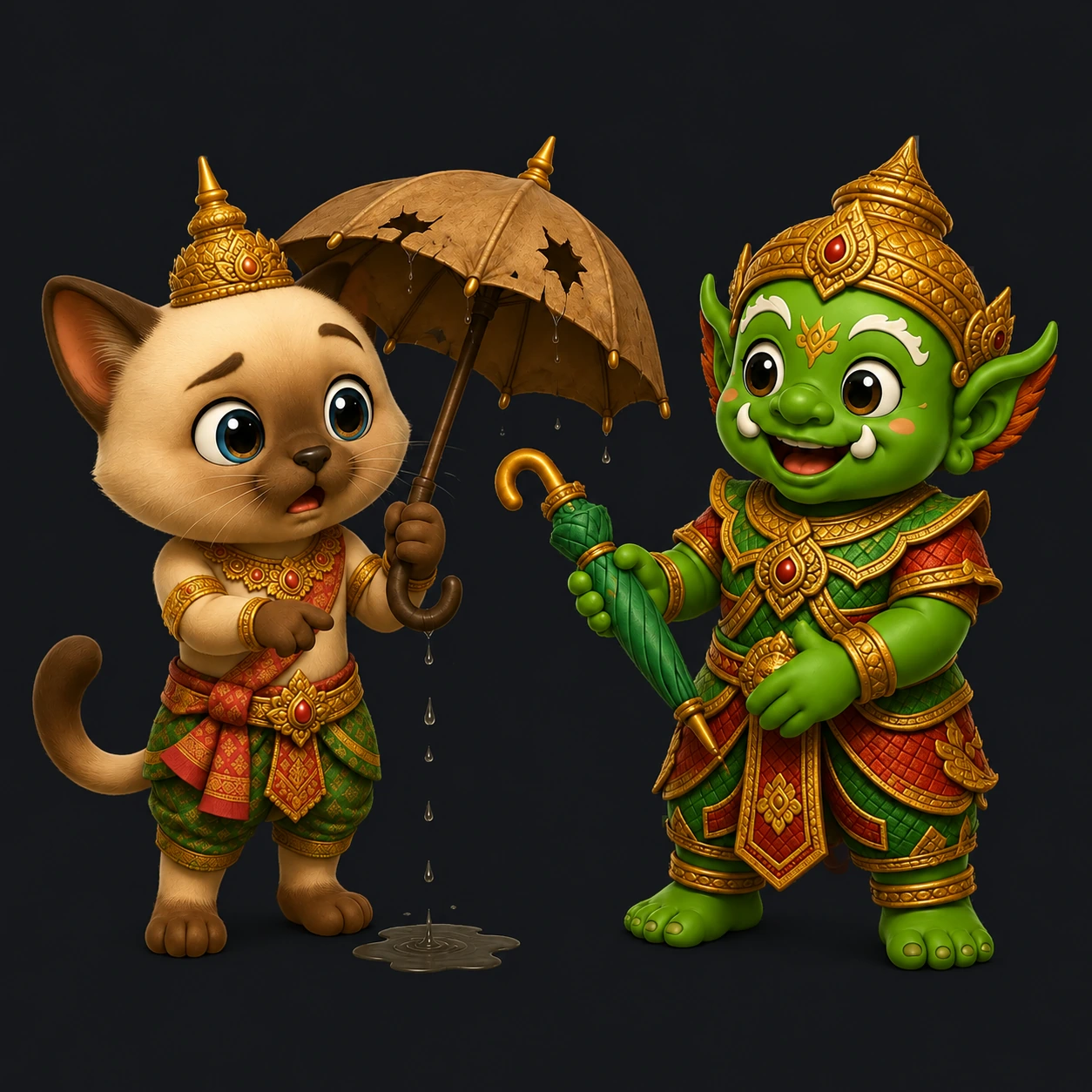
Complaints & Requests
Complaints stay indirect to save face. Soften with หน่อย (a little) and ขอโทษนะ (sorry, but...). Bluntness reads as rude, even when you'r...
/thai-culture/chapter-28/
 Chapter 29
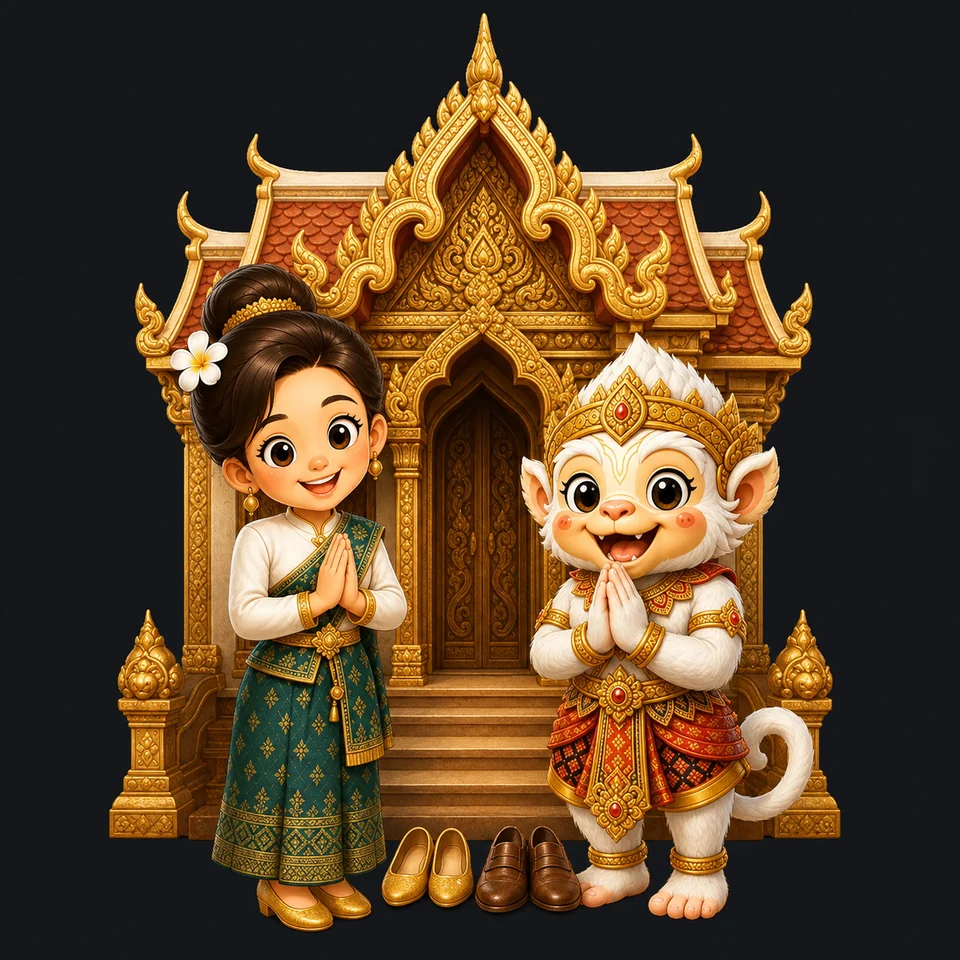
Culture & Customs
Culture chapter: respect for monks, the monarchy, and elders is deep. When unsure, watch what locals do - copying is the safest guide.
/thai-culture/chapter-29/
 Chapter 30
Opinions & News
Opinions use คิดว่า (I think that). News Thai gets formal and compound-heavy; don't expect to catch every word - grab keywords first.
/thai-culture/chapter-30/
 Chapter 31
Work & Office Thai
Office Thai is more formal: ประชุม (meeting), เอกสาร (documents), and heavier use of polite particles. Titles and seniority matter.
/thai-culture/chapter-31/
 Chapter 32
Thai Festivals & Holidays
Festivals: สงกรานต์ (Songkran, water) and ลอยกระทง (Loy Krathong, floating lights). Greeting: สุขสันต์ + festival name. These open real c...
/thai-culture/chapter-32/
 Chapter 33
Technology & Internet
Tech borrows heavily from English: อินเทอร์เน็ต, แอป, ออนไลน์. If you don't know a tech word, the English one is often understood.
/thai-culture/chapter-33/
 Chapter 34
Regional Dialects & Slang
Regional dialects (Isan, Northern, Southern) and slang differ from Central Thai. You don't need to speak them, but recognising a few earn...
/thai-culture/chapter-34/
Start learning Thai on Google Play
Start free, with optional Pro. See the course access page for details.
What free includes